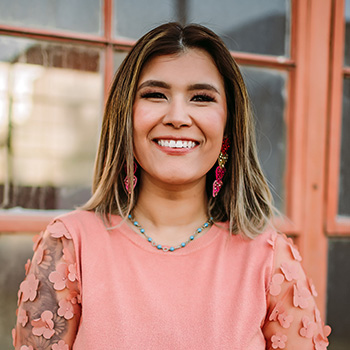
In this episode, Kayla sits down with transformative mindset coach Holly Bertone for a conversation about finding joy, practicing gratitude, and building resilience when life feels anything but easy. Holly shares her personal experience navigating breast cancer, an autoimmune diagnosis, debilitating chronic fatigue, the loss of her career, and divorce, and how reaching rock bottom ultimately changed the way she approached her health, happiness, and life.
Holly introduces the idea of radical responsibility and explains why creating change requires more than simply hoping things will get better. Kayla and Holly discuss the balance between “doing” and “being,” taking meaningful action while also creating space for rest, mindfulness, and connection with yourself. They also explore why self-care needs to become part of everyday life instead of something squeezed into ten rushed minutes or saved for the occasional weekend away.
A large part of the conversation focuses on gratitude and why many common gratitude practices don’t actually feel meaningful. Holly explains that gratitude is more than writing the same three things in a journal every morning or automatically saying thank you. It’s about developing a genuine feeling of gratitude and learning how to practice it in a way that works with your personality.
Holly shares four different approaches to gratitude, including practices for driven overachievers, social personalities, people who prefer deeper heart-centered reflection, and those who genuinely love making lists. She also offers practical ideas for helping children participate in gratitude practices in ways that feel natural and engaging.
Throughout the episode, Kayla and Holly explore how small daily choices can help you care for yourself, become more present, and build mental resilience during difficult seasons. If gratitude has ever felt forced, repetitive, or impossible when life is hard, this conversation offers a different way to think about what practicing gratitude can actually look like.
Helpful links:
The Gratitude Builds Fortitude Podcast
More about the guest:
Holly spent 20 years rising through the ranks of federal government service before a breast cancer and autoimmune diagnosis created an opportunity to combine her background in project management and analytics with solving a different set of problems. These days, she is known as the transformative mindset coach who helps you achieve greater energy, happiness, and mental resilience with the power of gratitude.
She has been featured on over 200 TV and radio segments, articles, podcasts, physical stages, and online summits as an expert on gratitude and mindset
About the Podcast Host
Thank you so much for joining me this week on today’s episode.
I love hearing about your insights and aha! moments from the show.
Kayla Nettleton is a TX-based licensed therapist, business owner, and mom of 3.
In her private practice, Kayla helps women break free from cycles of anxiety, perfectionism, and people-pleasing. Her holistic approach guides clients toward authentic, fulfilling lives by reconnecting with their intuition, setting boundaries, and building confidence.
Kayla also works with couples, especially parents balancing marriage and family. She offers both traditional couples therapy and focused intensives (6 to 18 hours) to help partners address key issues like communication, trust, and intimacy.
Through empathy and effective therapeutic tools, Kayla helps couples reconnect, thrive, and create healthier, more supportive relationships. Her practice transforms self-doubt and disconnection into growth, healing, and lasting change.
Find Kayla on
TikTok: therapy.with.kayla
YouTube: The Modern Mom’s Roadmap to Balance Podcast
Email: kayla@kaylanettleton.com
Free Consultation: Schedule a Free 20 minute therapy consultation here.
Want to hear more?
Catch up on past conversations, guest interviews, and more from the podcast.
► Click to Read the Full Episode 2 Transcript
Kayla: Hey, Holly. How are you doing today?
Holly: Hi, Kayla. Thanks for having me on the show.
Kayla: Yeah. Thanks for taking the time to come and record. It’s funny. I say come and record, right? It’s not like you’re here, but before we get started, let me introduce you.
So our guest today is Holly Bertone. She is a certified natural health coach, certified six phase meditation facilitator, a number one Amazon bestselling author, motivational speaker, and host of the Gratitude Builds Fortitude podcast. Holly has spent 20 years. Rising through the ranks of a federal government service before a breast cancer and autoimmune diagnosis created an opportunity to combine her background in project management and analytics with solving a different set of problems.
These days, she is known as the transformative mindset coach who helps you achieve greater energy, happiness, and mental resilience with the power of gratitude. She has been featured on over 200 TV and radio segments, articles, podcasts, physical stages, and online summits as an expert on gratitude and mindset. So welcome Holly.
Holly: So much Kayla.
Kayla: Yeah. So the first question that I always ask is what is your definition of balance?
Holly: I love this question and I love that you’re starting off with this. I really see balance as two sides of the same coin. So for example a lot of the women that I work with are facing some type of adversity in their life. You can face that adversity and you can also be grateful. You can also have gratitude. You can also have love. You can also have joy. You can also have laughter, even though you’re facing that adversity, you can have a problem, but live in the solution state and understand that I can either focus on my problem. Or I could focus on my solution.
Kayla: I am so glad that you brought that up, Polly, because I think we, we, a lot of the times we do miss that even in the hard times we can still feel joy and we should still try and embrace it and find it because during those hard painful times in our life joy can still be found in those moments, but it’s hard because you have to be intentional about finding it.
Holly: Yeah, absolutely. And, and I think too, it’s, it’s easy to be grateful when everything is going your way, when all the successes are happening, when you’re on top of the world, when, you know, the health is great and the relationships great. And, you know, you talk about the balance. The balance is great.
Yeah, but it’s. It’s difficult to be grateful when the tough times happen, and that’s really the true test of how grateful you are because it comes from that place of, you know, it’s, it’s easy to be happy when you’re happy. But what happens when you are going through a tough time? Can you still be grateful? Can you still be happy? Can you still show up and love life every single day? That’s the true test.
Kayla: Absolutely, I completely agree. So how about you tell us more about your story and how you got to this place? Because I’m pretty sure a lot of listeners are like, yeah, that’s easier said than done. Right? How do I find gratitude when my life just seems to be continuing to go down in the dumps?
Holly: Yeah. And I’m glad you asked that. And, you know, a lot of people like they’ll see me on my podcast or on Instagram and you know that I’m happy and sparkly and, positive all the time. And this is a very intentional decision. Because I was such an overachiever that I hit rock bottom with my health, not once, not twice, but 3 times. And then when I decided to heal myself, I ended up getting a divorce. So I have shared a few adversities in my life over the last few years.
But I was the quintessential overachiever. I was on top of the world. I was the chief of staff at one of those three letter federal government agencies they make TV shows about. I was a competitive athlete, standing on the podium, getting a medal around my neck. I was traveling all over drinking margaritas with my girlfriends. And that’s what I thought. was a perfect life.
And then on my 39th birthday, I got the phone call and the doctor’s office called with the test results. And I was diagnosed with breast cancer. So I went through surgery, chemo, radiation, and after that, I Never recovered. I kept getting sicker and sicker, and it took them a year. I was diagnosed with Hashimoto’s thyroiditis, which is an autoimmune condition.
So the doctor gave me a prescription and I was like, well, I’m going to get better. I’m going to get healthy. You know, no, I kept getting worse. Like my health kept getting worse and it wasn’t just, oh, I’m tired. It was a debilitating chronic fatigue that kept getting worse.
To the point in 2017, I was actually forced to resign from my childhood dream job and it was it was illegal, but it was a gift, just like breast cancer, just like everything else. I didn’t really see it at the time. It’s just in retrospect, realizing that that was rock bottom. Number three for me was. Being all but bedridden, trying to be a wife, trying to be a stepmother and barely getting out of bed, everything about my identity was taken away from me.
I mean, I considered myself very successful at work and I was no longer successful. I was no longer making really good money. It was no longer, a career woman. I was barely hanging on as a wife, I was barely hanging on as a stepmother, and the debilitating health just stole everything from me.
And that place of rock bottom was really when I made that decision. And I said, I can either marinate in my own misery, and I can be sick and miserable. And live like this for the rest of my life and not have a life before I can decide to do something about it.
And that’s what I did. I took radical responsibility. I decided to swim upstream, figure out why I was so sick. And it took quite a few years to basically go from being bedridden to being a normal functioning human being again. And to, heal myself, but it was that place of rock bottom that really defined everything for me.
And on the other side of that, I now get to help coach others both one on one and in the corporate setting on overcoming adversity on. Things like, how do you incorporate gratitude in your daily life? How do you incorporate mindfulness in your daily life? How do you build what I, my, my word is fortitude. It was my mother’s life mantra growing up where I heard every single day of my life was building fortitude.
And how do you build that mental resilience to get to the other side, to create your own comeback story when the times are tough. So that. Now is what I call a gift because I wouldn’t be here if it wasn’t for all of the adversity and to have to wake up every day with this level of love and happiness and peace and purpose in my heart. And I wouldn’t wish the adversities on anyone, but I wouldn’t trade them at all for anything.
Kayla: Yeah. Well, I mean, you’ve been through so much and you talk about it being a gift and how you hit rock bottom and that really changed you. At what point, in the rock bottom, did you finally say something needs to change? Because I’ve been through this rock bottom too many times already and I need to make a change.
Holly: Yeah, I don’t remember exactly when it was. I was forced to resign in April. And it was towards the end of the year, so I want to say probably November, December timeframe, and I was just like, no more.
And I didn’t know what that meant. I just made a decision that I’m going to take radical responsibility for my life and my health. And I didn’t know what it meant at the time. Like, I didn’t have a game plan.
And they say when the student is ready, the teacher appears. And that is what happened is that in December and January, I met back to back teachers. So my mentors, my guides who together were able to really help and guide me on those first years of my health journey.
And you had said in the, and at the beginning you had asked about balance and I kind of, I had a thought it just, it came in when I still have chemo brain sometimes, but I was thinking about the, the, the doing and the being, right?
So there’s a place of, balance between the action, the doing. Because we can’t just sit around and just wait for our lives to get better. Right? Like you can’t pray or manifest your way into a better life without doing something. You have to have the doing, but then there’s also that being, there’s also that being in alignment with your purpose, knowing that this is it and giving yourself that space. To have that peace, to have that quiet, to figure out the solution.
And I think that is a very good balance as well and much needed when for example, now that I run my own business, I work some long hours, there’s days that I start work at 6 and I stop at 8. I love those days. I mean, I feel energized and aligned and there’s days that I go, go, go, but I also make sure that there’s time multiple times during those days that I block out.
If I see that I’m having a long day, I block out times that there are no appointments. That I sit in the quiet. I take my I’ve got a pug I take him out for a walk a long walk right around the neighborhood for 45 minutes or so I’ll put on a meditation. I like to do Puzzles right like jigsaw puzzles. I’ve got a puzzle table So I’ll put on a meditation or an audio book or something like that and just sit And do something like that to take my brain off of it.
And I think that is equally important as well is when we’re trying to do the thing, whether it’s improving something that we’re doing or, being better in our business, being better as a mom, being better, getting out of the adversity, there’s a doing, but then there’s also that being as well.
Kayla: Oh, yeah, absolutely. And I, I completely agree. When you said like, we can’t just pray or manifest these things into our life, and I think that a lot of people are confused by that because they believe like, I just need to pray or I just need to do all of these things to manifest it, but they forget that we’re still involved in the process. We have to take action for any of our prayers or manifestations to come true or to to happen.
And what I’ve always found fascinating is that I’ll do the action like over here in one place, but then the opportunities start coming in at a totally different place. And it’s just funny, but I was like, but those opportunities never would have come in had it not been for those actions.
Yeah. And so I think this goes in line with what you’re talking about with the radical responsibility, like our responsibility to do something to change our lives. What’s your definition of radical responsibility? And how did you decide that was something you needed to do?
Holly: Well, I think part of it was I just hated my life the way that it was. I mean, no one wants to be that sick and not be able to do anything. And it’s also a lot of contrast. When life is really good, there is no contrast. When life is really bad, there’s a lot of contrast. And you’re like, I want that good life again.
But I think what was interesting was so often when we’re going through something, we think we want our old life. But what got you here won’t get you there, right? So from a physical healing perspective, if I went back to that old environment, I wasn’t going to heal my body.
Eating a lot of processed food and being a sugaraholic and having tons of toxins and, all the stress and everything like that, you know, there’s a difference between working yourself to the bone. My stress level is very low. I have all of that mindfulness time combined in it. So, not going back to that old self. And instead using that time to become a new and better and improved version of you, that version of you that’s more aligned with who you really are.
Did I answer your question? I think I went on a tangent.
Kayla: So, in, in terms of. You’re your definition of radical responsibility.
Holly: Oh, radical responsibility. Yeah. And I think too, this is a tough pill. I talk about all my health challenges. This was the toughest pill to swallow. There’s chemo, which really was horrible. And then there’s radical responsibility, which was. A lot harder because what happens is that when, when you’re in that place, your brain, so we’ll go a little field trip in your brain.
So your brain once it’s only job is to keep you safe and alive, like, literally, that’s it. Right? I mean, there’s obviously other stuff, but that’s it’s making goal. So when something happens, your brain is going to instantly adjust to the new thing because it, it wants to feel safe.
So you get this big diagnosis, you go through a divorce, you have financial problems, whatever that adversity is. And your brain’s going to start telling you like, okay, this is your new normal and your brain’s going to want you to stay there because that’s safe and that’s comfortable and that’s known, even though it’s not ideal.
I like to say it’s kind of like gramps on the front porch. And you think of like a caricature, right? You’ve got grandpa on the front porch and he’s on a rocking chair. And he’s got those socks pulled up to his knees and the sandals, right? And he’s missing his dentures. Maybe he just has like a tank top on and his boxer shorts.
And, and you’re like yeah, Gramps, maybe you should put some clothes on. He’s rocking. He’s like, no, I’m good. You know, Gramps, maybe you should put your teeth in. He’s like, no, I’m good. Like that’s our brain. Right. Even though you’re like, this is not a good situation. Our brain’s like, nope, we’re good. We are not changing.
So radical responsibility is basically taking our brain out of that space. And we make up all the excuses, whether it’s consciously or subconsciously. We live in that victim state. And I know that’s going to probably trigger some people that word, but we live in that victim state is that this thing, whatever this is. Just came out of the blue and is happening to me and, you know, what was me and all this stuff and the world’s against me.
Well, you can either view it that way and view it from that victim state and let your brain stay there, or you can say, you know what? No. And that’s when that radical responsibility comes in to be able to say, I am not okay. I’m not okay with marinating in my own misery anymore.
I have a saying, I say it all the time on, I’ve got the Gratitude Builds Fortitude podcast. I say it all the time. It’s okay to not be okay, but it’s not okay to not be okay and not do something about it. Meaning, when something happens, by all means, be in the fields. But there is a time and a place that only, you know, that it’s time to get out of the fields and that’s when radical responsibility takes takes over.
And what happens is that when you start to focus on that responsibility, when you start showing up for yourself. First, versus, you know, we all are people pleases. We all do the things for everyone else, but when you show up first for yourself, and you show up with that level of responsibility, it tells your brain you mean business. And then things start to shift.
Kayla: I, I’m definitely 1 of those who believe that our words are very powerful. And if we say, we’re going to do something, we should do it because if not, we’re never going to believe or trust our own word.
Holly: Absolutely. Absolutely.
Kayla: And this this description you have. Of the grandpa, what came to my mind, because I work with a lot of moms and you know, moms listening to this podcast might not relate to the grandpa, but I know that they relate to skipping showers for a few days because things just feel so chaotic that they believe they don’t have time to take a shower or to get dressed the way that they want to, but even just making that commitment, like, Nope, today I’m going to take a shower and get dressed and like, The transformation and just taking care of yourself, taking that time to take care of yourself is, is amazing because I mean, we had this conversation right before we started recording Holly, where you said. I just have to have my lipstick on, like no matter what kind of problem I had to have my lipstick on because it makes me feel good, right?
Holly: Yeah.
Kayla: And that’s what happens when we take care of ourselves and we make the commitment to put ourselves first when we can.
Holly: Absolutely. And I was going to say to the other analogy I use, I was just the person that came to mind, but the other one I use is the toddler, like our brain is like a toddler if it doesn’t get its way, it is going to scream and throw things and cause a fit and have a little meltdown.
Kayla: It will. And, and. Oftentimes we believe, or many people will believe, that if I just ignore this for a little bit longer, it’ll just stop. But no! Like you said, it will scream and yell at you, and it will throw that tantrum in the worst possible moments. Because that’s when we have our guards down. When we’re trying to handle everything else that we forgot, we needed to keep the lid on this other thing over here.
Holly: Yeah. And that’s the thing too, is that as moms, as wives, women, like we, we do it all and we put everyone else first, but we don’t put ourselves first and at some point. That’s not sustainable.
So my definition of self care, I always thought like, oh, I’m going to go take a bubble bath because that’s self care. And I was really sick. I was really stressed. Like this was right before I was forced to resign and things were literally at their absolute worst.
And I’m like, okay, I’m going to take it. Went downstairs and I turned on the tub and I am literally yelling at the bathtub to hurry up and fill up because I only had so much time. To get it back. I’m like yelling at the water like hurry up, hurry up, hurry up.
And then I, and I jump in the tub and I lean back and I’m like, I was like, okay, 10 minutes, go relax. Oh my gosh, who does that? But like, I think that’s just really the epitome of. How we stretch ourselves and how we do everything else for everyone else. And then we can get the crumbs. We get the leftovers of whatever’s going on in the day. And it’s like, you know, 10 minutes, relax, go. And that doesn’t equal relaxation.
Kayla: It does not, it does not.
Holly: And I hear so many times so I’m a meditation facilitator and. I hear so often they say the best time to meditate is when you don’t have time to meditate. That’s when you should meditate twice as long.
And the days that I wake up and I’m like, Oh, I got a lot going on. And I feel like that’s the easiest thing to cut this morning. But I don’t, because that’s my time to get centered first thing in the morning. Like before my eyes even open.
Kayla: Yeah, and that really hits on the point that self care isn’t something you do every now and then to rejuvenate. It’s really a lifestyle change. It’s incorporating these smaller habits so that you have everyday moments where you can rejuvenate and recharge.
I mean, I just went on a a bachelorette party weekend with my sister in law and. If I just did that, that wouldn’t have been enough because I still came back exhausted and yeah, I had fun and I was away from the kids, but once a month trips or, you know, trips every so often, or a once a year girls getaway is not enough. It’s really about the habits that we incorporate into our lives every day or, you know, on a weekly basis at the very least.
Holly: And that’s why I like to go back to gratitude. I mean, gratitude is at the top of the food chain of everything, and everyone’s like, Oh, Holly gratitude again, really? But it just it has so many health benefits from being able to exercise more and reduce your cortisol and, and increase your happy hormones, your dopamine, your serotonin, your oxytocin, your dopamine, I say, all of them, your endorphin, and to. To lower that stress response to lower that inflammatory response in the body.
I mean, it just has so many health benefits. It helps you to make better decisions. I mean, it literally makes you smarter. And that’s what I love about gratitude is that it really puts you in that frame of mind that it’s not just that everything’s okay. It’s not a fake Pollyanna. Oh, just be positive. I cringe when people say that.
It’s literally about a mindset of not. Worrying about the past, not worrying about the future, and just being present. And I think so often that we have all of this stuff going on, it is so hard to just be present.
Kayla: Mm hmm. Yeah. What is the biggest mistake you see when people practice gratitude? Can you talk a little bit about that?
Holly: Yeah, absolutely. I’m glad you asked this, Kayla, because this is how we’re programmed we are told that gratitude is either making a list of three things or five things or ten things or whatever or it’s saying thank you or it’s at the Thanksgiving table and grateful thankful blessed and It’s something that we do. It’s an action. It’s a pleasantry and like that’s gratitude and That is like when my ex and I were first married.
I wanted to make Macaroni and cheese, and I’m talking old school southern style macaroni and cheese, the casserole that, you know, it’s like so good. Like you could eat a bat at one sitting and your mouth. You want a whole bowl, right?
Right. So I made it and we sit down at the table. We’re so excited to eat it. We get out our force. We take a few bites and we’re like. Something’s wrong with this. Oh no. And he looks at me and he goes, did you put cheese in the macaroni and cheese? And I was like, Oh, I had prepared everything, but somehow the cheese never made it into the casserole. Like it was missing the main ingredient.
And that’s how we are conditioned to practice gratitude is that the way that we’re taught to practice gratitude, that list of three things, say thank you. It’s an action. It is Mac and. without the cheese. It is bland. It is boring. It is going to do absolutely nothing for you.
So people are like, Oh, gratitude doesn’t work. I made a list of three things. I’m not grateful. Gee, I wonder why it’s an action. Right? It’s not a being, it’s not a feeling, it’s not from the heart, it’s just, I just crossed something off the list. It’s me jumping in the tub saying, okay, Holly, 10 minutes, relax, go. It’s not gonna work.
So, gratitude is that missing ingredient, like real gratitude is the cheese. It’s that missing ingredient that just makes a casserole absolutely perfect. And what it is, is that feeling. It’s a feeling, it’s a being, and it’s from the heart, the actions can help us to get there, but so often, we stop, we do the thing, and then, we stop and the other thing, too, is that people think of gratitude As just this like pie in the sky kind of gratitude, that’s nice, but there’s all the science behind it that I that I talked about.
The decrease. Levels of depression and anxiety and PTSD increase happiness. Like I said, it helps change your brain. You actually become smarter and there’s so many benefits of gratitude, but it’s, it’s who you are and who you become. It’s not what you do.
Kayla: Oh, yeah. One of the reasons why it’s rewiring your brain is because you’re focusing on other things besides the bad things in your life. And so that is a that’s something you have to practice. There’s so much negativity that is pushed onto us because that’s what sells that’s what’s like on the news and like popping up on your newsfeed. Right. It’s a negativity because it’s like, oh, my gosh, what happened?
So we have to rewire our brain to see those good things, the things that we are grateful for. And so gratitude can help with that.
Holly: I think it’s like they said was it Dr. Emmons or Dr. I can’t remember which one talks about 80 percent of the thoughts that we have are negative and 20 percent are positive. So, yeah, I mean, it’s like that’s the state that we live in and then we turn around and the kid needs braces and we’re like, oh, do we have the money and then, you know, the next door neighbor there’s a problem about the fence and then the church needs the casserole and it’s all of the things, you know, and then the husband’s like, where’s my clean shirt? Did you not pick it up from the dry cleaners?
And you’re like, oh, my goodness gracious, you know, so it’s all of these things and then you turn on the news. It’s all the negativity and it’s just one thing after another, after another, after another.
Kayla: Yeah, I recently had someone ask, because I also try and incorporate, you know, gradate gratitude. I almost was gonna say gravitation, gratitude and meditation practices into
Holly: I love that new word.
Kayla: Yeah. Let’s, let’s put it out there in the world. The new word, make a Let’s make it a thing. But I had someone recently asked me that they, I guess they were feeling bad that they felt like they found themselves being grateful for the same things and they were having trouble being grateful for other things or noticing other areas in their life to be grateful for, and they felt bad for putting down the same things over and over again.
What would you tell someone who was struggling with something like that?
Holly: Oh, I am so glad you asked this question and I hear it all the time because it’s like oh, I’m grateful for my house, my spouse, my kids, my dog, my house, my spouse, my kids, my dog, and I’m like, I’m creepy. So what do we do?
Kayla: Yeah.
Holly: So I actually, I like to say to me gratitude where gratitude is at and like gratitude me to where you’re at. And I’m not sure if you’re familiar with Dr. Robert Rome’s disc personality. Just this personality profile. But there’s four different personalities.
And so basically what I’ve done was overlap the gratitude on top of these personalities to help you get started. So if you’re someone who is, which was me back in the day. Very like a very driving personality, very much the overachiever, the kind of the dominant personality, right? Always on the go, always doing, always needing to succeed. That’s what I call the attitude of gratitude.
And for you, your goal is to kind of compete against yourself because that’s your innate personality is that you’re always gonna want to win. So to compete against yourself. How many mornings this week can I wake up on a scale of 1 to 10? Where’s my gratitude level this morning compared to last morning? And track that and say, okay, where am I at? And can I have that competition?
And especially with your kids, we can talk about your kids too. If you’re, if you have a child who is like this. Put them in charge of gratitudes at the dinner table. Don’t tell them what to do. Just say you’re in charge of gratitude at the dinner table. Let them come up with it and they’re going to tell everyone what to do. They’re going to be the boss at the table and they’re going to tell everyone what to do. And it’s just going to be a great way to get them involved.
So that’s your attitude of gratitudes. Next up is your The life of the party, the one who’s always at the parties, always in the social circles, always on the phone, always just carefree and having fun. And just, you know, life is always a party. So this is the Gratitude Glitterati. I always try to pronounce that wrong.
So, and if this is you, you’re going to want to get other people involved. So you’re going to be texting back and forth with your besties or posting on social media or making it fun. Like go out and see how much fun gratitude can be, when you’re in line at the store, you see some at the store, just. Share a compliment, right? Not just a thank you, but a genuine sincere compliment. Have fun with it.
This is your outgoing personality and same with the kid at the dinner table. You’ve got that kid, right? Let them have fun with it. Let them make a game of it. And, and for you, you’re going to want to feel the fun, the lightness of the gratitude.
Next up is what I call the heart centered gratitude. So this is going to be your individual who is a lot more quiet, a lot more calm, a lot more steady. They don’t want anything to change in life. They just want everything to always be the same. They like routine. So this is going to be kind of your, your steadier personality.
And this is what I call the heart centered gratitude. So for you. You’re going to want to take one thing and then feel it really deep, like feel it really deep and especially for your kids, you know, at nighttime with the younger kids, or even with the older ones, if you’re not talking them at night to tell them before they go to sleep, think about this. Whatever that one thing is, help them to identify it and then help them to think about it in a really deep sense.
So that’s your heart centered gratitude. And then the last one is your list maker, your analytical personality, the person who has the spices in alphabetical order and has a little bit of a meltdown when someone moves them around.
Kayla: That’s me, too.
Holly: This is actually what I call your gratitude list maker. So for you, the 25 percent of the people out there, making a gratitude list is going to be your thing. So you may even want to track it, keep a scale on a scale 1 to 10 on any given day. What is your level of gratitude and track it?
Think about the things that you can be grateful for with your kids, do an ABCD, have them come up with a list of things that they’re grateful for, you know, letters of the alphabet, or if you’re going out and about, I’ll just have them start naming things and putting them in order and that’s just kind of how they’re the logical brain things.
So, you know, for this person and again, for everyone to you, you want to feel it. But these are ways that you can actually have fun with gratitude to get started that’s in alignment with your natural personality. And I actually have a quiz to, to help you get started that can help you figure out, okay, which personality am I and how do I get started with gratitude?
Kayla: Oh, that’s awesome. Is that something that we would be able to link up in the show notes?
Holly: Yeah. Yeah. You can link it up in the show notes. It’s also pinkfortitude. com slash quiz. So it’s also super easy to remember.
Kayla: Okay. Yeah. Yeah. And I’m so glad that you brought up like these different personalities, because I think most of the time when people think of practicing gratitude, the thing that they think of is the list. And some people, like you said, the list isn’t going to work for them, or it’s not going to be that intentional gratitude that people do need to thrive.
Holly: Right, right. And the other thing, too, is we don’t brush our teeth once a month. Right? We don’t just say when I turn 50, I’m just going to stop brushing my teeth because I’m finished brushing my teeth, right? We brush our teeth every day, twice a day, sometimes three times a day.
So this is how I feel like gratitude and mindfulness and all of this this self care, everything like that. It’s, it’s not a doing, it’s a being, and it’s doing this reps every single day of incorporating it into who you are and who you’re becoming, and it’s something that is a lifelong journey.
Kayla: It is. Yeah. Well, thank you so much for that, Holly. And I see that we’re running out of time a little bit can you talk a little bit more about the work that you do and how people can get in contact with you?
Holly: Oh yeah, absolutely. The best place to reach out after you’re finished listening to this episode is to head on over to the Gratitude Builds Fortitude podcast. So I would recommend just starting at the top. And figuring out whatever episode speaks to you and just say hi over there.
And then I’m also on Instagram at Holly. Burtone. I run my Instagram myself. So if you say hello on the DMs, it will be me. It will not be a bot or my assistant. It will actually be me. So say hello.
And yeah, let me know what you got out of the episode I do some private one on one coaching and I also do corporate wellness workshops as well.
Kayla: Hey, awesome. Well, thank you so much. And thank you to all of y’all who listened today. And I hope you have a great week Holly.
Holly: Thank you, Kayla.
 Apple Podcast