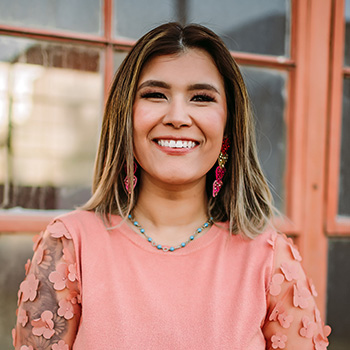
In this episode, Kayla sits down with registered dietitian Casey Bonanno for an honest conversation about body image, intuitive eating, motherhood, and the expectations we place on ourselves and our bodies. Casey shares her perspective on what a balanced life actually looks like and why balance may have less to do with dividing your energy equally and more to do with living according to your values and priorities during the season of life you’re currently in.
Kayla and Casey talk about the gap between expectation and reality, especially during motherhood, and why flexibility can make everyday routines feel more manageable. From bedtime routines to family vacations, they explore what can happen when we loosen our grip on how things are “supposed” to look and make room for what actually works.
The conversation then dives into body image and the belief that reaching a certain weight, size, or appearance will finally make us feel confident, accepted, or worthy. Casey explains why the desire to change your body is often connected to something deeper, including the need for love and acceptance. They discuss set point theory, the pressure to “bounce back” after having a baby, unrealistic weight expectations, and why our bodies aren’t supposed to remain the same throughout every stage of life.
Casey also shares practical ways to begin improving your relationship with your body, including wearing clothes that fit your current body, reducing body checking, challenging critical thoughts, and working toward body neutrality rather than expecting yourself to love every part of your appearance.
Kayla and Casey also unpack diet culture, chronic dieting, and why repeatedly “failing” diets may have much more to do with unsustainable expectations than a lack of willpower. This episode offers a compassionate look at creating a healthier relationship with food and your body without waiting for your appearance to change first.
Helpful links from the episode:
Website: Dallas Nutritional Counseling
Austin Nutritional Counselling
Social Media Handles:
IG: @dallasnutritionalcounseling
FB: @dallasnutritionalcounseling
Pinterest: @dallasnutritionalcounseling
TikTok: @dalnutritionalcounseling
Suggested books: The Body Image Workbook
About the Podcast Host
Thank you so much for joining me this week on today’s episode.
I love hearing about your insights and aha! moments from the show.
Kayla Nettleton is a TX-based licensed therapist, business owner, and mom of 3.
In her private practice, Kayla helps women break free from cycles of anxiety, perfectionism, and people-pleasing. Her holistic approach guides clients toward authentic, fulfilling lives by reconnecting with their intuition, setting boundaries, and building confidence.
Kayla also works with couples, especially parents balancing marriage and family. She offers both traditional couples therapy and focused intensives (6 to 18 hours) to help partners address key issues like communication, trust, and intimacy.
Through empathy and effective therapeutic tools, Kayla helps couples reconnect, thrive, and create healthier, more supportive relationships. Her practice transforms self-doubt and disconnection into growth, healing, and lasting change.
Find Kayla on
TikTok: therapy.with.kayla
YouTube: The Modern Mom’s Roadmap to Balance Podcast
Email: kayla@kaylanettleton.com
Free Consultation: Schedule a Free 20 minute therapy consultation here.
Want to hear more?
Catch up on past conversations, guest interviews, and more from the podcast.
► Click to Read the Full Episode 4 Transcript
Kayla: Hey everybody. So today our guest is Casey Bonanno, and before we get started, let me introduce her. Casey is a registered dietitian who specializes in supporting individuals healing their relationship with food and body. Casey has over a decade in the field of eating disorders and disordered eating. She runs a group practice with two locations, one in Dallas and one in Austin. In these locations they are open for in-person appointments and they also treat clients virtually as well. Thank you so much, casey, for being here.
Casey: Yeah, thank you so much for having me. I’m excited.
Kayla: Yes. So the first question that I always ask people is what is your definition of balance?
Casey: Yes, kind of the whole point of the podcast right.
I think my answer might be different than people expect and I’ll kind of explain. But I thought about this question a lot and I think my answer is my idea of a balanced life is living within my values and priorities, Because I think that when we think about balance, we think about okay, is my energy divided up equally amongst all of the things Like do family work, taking care of myself, taking care of others? And I think that, depending on the season of life, it can’t always be exactly that way. Sometimes other things have to be the priority and I think, as long as you’re living within your values and your priorities, that would create joy and contentment and I think that’s really what balance is.
Kayla: Yeah, that’s a great definition.
Casey: Yeah, so broad, and I just think I work with a lot of women and moms not solely, but mostly and I think everyone is always striving for balance and I think that, depending on the phase of life, that balance might look different.
Kayla: Absolutely.
Casey: Then maybe what we would really want it to be even, and that’s okay, because that’s just like right now. I have small children, so my balance looks very different. Then it will likely be in a couple of years. You know, I think it’s time to take the back burner because I have small kids. You know I have to stop working sooner, so things shift right, but that’s my current balance.
Kayla: Yeah, what has helped you move past? Having a mindset of like this is what I expected, versus the reality.
Casey: Oh gosh, radical acceptance. Well, you know, it’s just not just like it is what it is and I have to roll with it. And for me, you know, a little bit of that is that loss of the control of it. Right, there are certain aspects of this that I can’t control and there’s absolutely nothing I can do about it, and so I just have to accept that and I can be uncomfortable with it and not like it, but it still is the reality of it.
Right, that’s been a lifelong journey, but I think the message is changing and getting louder, that like expectation versus reality and that sort of thing. So I think that I’ve had a lot of good examples. You know, I have friends and sisters who are walking through that with me and it’s good to have people echoing that message, you know, and obviously, like, you still get caught up in it. Right, I expected something to be like this and it was disappointing because it wasn’t, or you know that sort of thing.
But just really trying to like check myself with that too, because I think that that also makes you miss stuff that you don’t realize. Like, yeah, my expectation was this, but like this aspect of this way was great, you know, kind of thing. So trying to just like appreciate and have gratitude for things in the moment, which, you know, is like sometimes very hard, but just keep trying, just keep trying, yeah Right.
Kayla: And if you’re listening now and thinking like, well, I wish I could be better at noticing the gratitude and that, go check out episode two, where that is exactly what we talked about. Okay great.
Yes. So I’m glad you brought this up in terms of like having to change some stuff around and like the radical, radical acceptance no, I’m stumbling over that word, but yesterday I was just talking to someone and I had brought this up of like expectation versus reality. We had this expectation, maybe, of having this specific routine, and their response to me was well, so then I, should I not expect to be able to brush my teeth? I’m like, no, that’s, that’s not what I meant. Yes, you should brush your teeth, but maybe the expectation of when you’re going to brush your teeth needs to change. And so it’s like stability like that.
Yes, yes, for sure You’re probably not going to have the perfect routine where you get the kids to bed every night, especially when just things are going not not the norm, like if there’s a lot of unexpected things that have happened, maybe within the week, and everyone’s tired and more irritated, the nighttime routine is probably not going to go as well. So, finding a different time to brush your teeth, maybe while the kids are still watching their last show, or if some of your partner is reading a book to them, brush your teeth then, instead of waiting for everyone to be in this like calm state, because that might not happen. And that’s when we realized like, oh, I didn’t brush my teeth today because we fell asleep trying to get our kids to sleep.
Casey: Right right, right right, yes, yes, yep, yeah, yeah. Routine. I always say routine is amazing and so necessary, but it becomes a problem when we can’t do anything but that and then feel anxious outside of that routine. Right, yeah, has to be like some, like plan a bcde.
Kayla: Yeah, or even just a routine that is more flexible.
Casey: Yes, yes, like here’s the here’s, like all the things that need to get done, but they can like move.
Kayla: Mm, hmm.
Casey: Yeah, they can get rearrived.
Kayla: Yeah, or even maybe having a routine that you could still do even if you only had 15 minutes to do it. Versus the hour, yes, abbreviated yes.
Casey: yes, yes, we’re going to do the abbreviated routine. Yes, we do that a lot, Especially like when we have different things, like if we’re like at an event or doing something with the family, like before bedtime. It’s like we get home and we do abbreviated, abbreviated routine. Yes.
Kayla: Yes, yes. So my son really he likes, he really loves his routine, right, he? One of the his expectations is I get to relax and his relax is just kind of chill out and watch his YouTube videos. He’s eight, by the way, but he likes this, he likes to watch his YouTube videos and that’s his relaxation before we go to bed. But sometimes there’s just not enough time, like you said, like on Wednesday we were at a school event that just took long because it was a dinner fundraiser thing and I had to be like hey, bud, when we get home we’re already going to have to start our bedtime routine, which meant that his relaxing YouTube time was in the car on the way to the house, because once we got home it was brushed teeth, read stories and go to bed.
Casey: Yep, yep. Yeah, so yes, my yes, my son is almost three and similar. He wants to watch a show, is what he says, at least one before bedtime, the whole shebang. So we’ve done the. Sometimes he’ll be okay without it, but we’ll do like five minutes of show and you know, while we’re doing the baby stuff with my youngest, it’s like, well, I get her set up, you can watch the show. I’m going to put on a timer, you know, and the whole shebang like trying to find that middle ground within the routine, right?
Kayla: Yeah, because you know, sometimes it just it just can’t happen the way we want it to happen, but that’s okay.
Casey: Mm, hmm. Yeah for sure.
Kayla: So one of the reasons I was excited to have you on was because you work with a lot of women and moms who struggle with body image, and I know that’s a big topic All the time. How do we accept ourselves for who we are now, instead of waiting to have this, you know, idealized version of ourselves to be happy?
Casey: Right, right, yeah, and I think that everyone you know, not just moms, anyone in this world really can relate to having some body image, thoughts, concerns of some sort. I think sometimes people are surprised like, oh, a dietician and body image. But I mean, it’s so intertwined with our relationship with food and movement that over the years, I become like a body image expert to right, yeah, yeah, this kind of the nature of the, the field that I’m in, and I think there’s so many different things that we can talk about.
I think everyone expects to either do X, y or Z and get to this body that they think will solve everything. It’s like I will feel better, I will do X, I will do why, I will be confident, I will I don’t know be attractive, be accepted. You know, all of those things.
I always really want people to ask why, if you lose weight and get this ideal body or whatever, right tone, whatever, it is right, what’s going to happen? Yeah, what’s going to happen. What is it going to give you? Because, yes, it will give you a smaller body and people will be like well, I like my, like, I like the way I look, I’m like, okay, people of all sizes like the way they look. So like, why this version? Where did that idea come from? Where does this idea, why is this the ideal? Right? Like, how did you get that message? And like, what is it gonna give you? Because that’s really what we’re creating, right?
Sneak peek usually it’s love and acceptance. Usually that at the core of like I love you, love me and accept me, and I think you know it’s a very like concrete way to get love and acceptance. But usually, like, if you’re in a certain body and that’s why someone loves and accepts you, that’s conditional and that’s not ultimately really what we want. We want unconditional love, we want unconditional acceptance, right, and I think that sometimes that is really the core issue of unconditional love and acceptance of self.
And like I’m looking for something external to do that for me, because I can’t do that for myself. And then I send them to you to work on that. Yes, that’s your territory, right? Yes, but really asking, like, what is this ideal body gonna give you? And that’s the root of it all, right, and also, sneak peek you never get it.
Like you might get a little bit of it, but it doesn’t fix everything. Like it doesn’t solve anything, it just, and if it’s not sustainable. It’s not like if you do it in a way that you cannot sustain, you will just gain the weight back, or you’ll stop the workout or whatever, and you’ll get back to where you were plus some. And that’s what people don’t realize in terms of like weight science. If you are forcing your body to be in a deprivation, at a lower weight than your body should be, it’s not gonna be able to stay there long-term.
It’ll stay there for a moment in time. Whatever you might be able to sustain it for a long time, but we really the research is really only I think they only follow clients for five years and the percentage is still very low but we don’t know beyond five years if people are able to sustain. So if you do anything extreme, you’re not gonna be able to sustain it and then you’re back to where you start and not even really a complete body issue. Right, it’s deeper than that.
Kayla: Oh, yeah, yeah, and I’m really glad that you use the term where your body is supposed to be at. If you’re trying to get your body to a place where it shouldn’t be at or it’s not where your genetics supposed, to be at, or even stage of life supposed to be at. It’s not gonna like it. You’re not gonna feel good in that state and I think, as moms when you first have baby and you still have all of this extra weight or stuff going on. It’s there for a reason.
It’s there to protect you and keep you safe, but we’re trying to like lose it, or oh, if I could just get this baby weight off then I’m gonna be a better mom or I’m going to be a better caretaker, but that’s not true.
Casey: No, it has nothing to do with your ability. I know that it’s kind of like the bounce back mentality is really strong in our culture, but yeah, you’re absolutely right, it is protective and why would we wanna get rid of that sooner than we need that? And also, I mean, there is so much that goes on. It’s very interesting when I ask people kind of weight history, like what’s your lowest, what’s your highest, like what do you think? I always like what do you think you should be? Or what’s your goal, and I say how’d you come up with that?
And lack of science behind that answer people are like, no, I just sounded good. Most of the time that’s the answer. Or they’ll be like well, sometimes there is some reasoning. But it is so amazing when I ask when’s the last time you were that weight, I’m like, oh, I was 15. I’m like okay, automatically, not an appropriate weight for you, right?
And it’s like we don’t realize that we shouldn’t, even if, like, our body doesn’t change drastically, we should not be the same weight we were when we were 15, 16, 20, 25, 35. You know, people don’t realize that the actual gradual increase in weight over your lifespan is protective, like we should have some of that happening right. And then obviously there are different things that influence changes in body. Obviously pregnancy, having children, definitely won’t change things up, but like we’re not supposed to be the same way for our whole life. And I don’t know if people realize that Probably not.
I think a lot of people, yeah.
So it’s interesting when I say, like when was the last time you were that way?
And it’s always something some age that’s very young. Yeah, okay, maybe not a realistic expectation and we can also like hopefully all the listeners know that BMI is flawed and ideal body weights flawed and all of that. So that’s why I say wherever your body naturally wants to be, because we all have this genetic set point weight that our body wants to be and it’s gonna fight to try to be there despite what you do to it.
And if you want more information about what I’m talking about, if you just type in set point theory, you’ll get lots of stuff and it can go more into the science of it and that sort of thing. But it takes into account that, based on genetics and build and everything, like our bodies have a natural weight that it wants to exist at and obviously we can do behaviors that would make that go up and make that go down, but it has a range that would be kind of like its ideal place to kind of like homeostasis, I guess.
Kayla: If you will, yeah, yeah, no, I agree, yeah. So if someone is struggling with body image and the way they view themselves, what are some helpful ways to start working on that? Maybe they’re not working with the therapist yet, but thinking about it, but they wanna start doing some stuff on their own first.
Casey: Sure, sure. So I think one wear clothes that fit, buy comfortable clothes, wear clothes that are the size that you currently are. Right now it can be cheap stuff you buy from wherever you don’t have to spend a ton of money on it. Because it’s always something that people say.
Kayla: I don’t wanna spend money on it, or I don’t have money to buy all this whole new wardrobe. Right, right, right.
Casey: It’s like you need a pair of like jeans. You need a couple tops, like just a couple things. Wearing clothes that fit will automatically take the attention off of your body. If you’ve ever sat in jeans that are just like a little too tight one, it’s uncomfortable but it also draws your attention to the discomfort Right.
So I think, step one wear clothes that fit. Step two there is a body image workbook which I always recommend. You can just buy it on Amazon. It’s literally called the body image workbook and it has a couple of like quizzes to really like identify different types of body image concerns, and then it has different journal prompts and exercises. So that’s great.
You can do that on your own kind of on your own time. I think sometimes, if you’re really focused on your like reflection in a mirror, I would say minimize the time that you’re in front of the mirror. If there’s a mirror in your bathroom, I wouldn’t get undressed and stand naked in front of it before a shower. I would just get into the shower. I’ve had people even like not have the lights on and get into the shower. So, like anything that you can minimize the attention that you are giving to it so that you can do some of the work to change your mindset.
People always feel like body image is a physical thing and I would say people probably think it’s like 80% physical, 20% mindset, and I think it’s opposite. I think it’s really like 80% mental and 20% physical Cause. Obviously we want to feel comfortable in our body, but we want you to be able to look in the mirror and feel good, or actually not even feel good, just like not feel. Hate is really what we’re going for. Again, back to expectations. Expectation is to look in the mirror and not think anything too critical, like that’s our goal, right, it’s like we’re not even. We’re not trying to love our body, we’re trying to just feel neutral.
Kayla: I agree. Like. I think a lot of people get stuck on that when they’re doing work on body image, because they have this idea that, well, I have to love my body, like I have to be absolutely in love with it, and they’re like, no, you might never absolutely love every single part of you. It’s an unrealistic expectation. Expectation is that you don’t hate yourself. Like you want to lower the negative attention that we give ourselves.
Casey: Right, right, what I tell my clients is I want you most of the time, to feel nothing, to not really not necessarily feel positive, but not necessarily feel negative. Just be like this is my body, right? And then sometimes feel positive and sometimes feel negative. And when you feel negative, you have the tools and you’re able to let that thought come and go and not do anything about it, because it’s unreasonable to think that you’re never going to have a negative body image thought or feel bad in your body, because sometimes we truly physically feel bad in our body, right, like I’m bloated, I like my time off, you know, whatever, right?
So I think again, with the realistic expectations of I want you to be able to look in the mirror most days and think neutrally about your body, occasionally have a positive moment, occasionally have a negative moment, and know how to deal with the negative moment, yeah, yeah. So the other thing you can start to do is catching your thoughts when you are having that negative dialogue, kind of stopping and saying you know what? We’re not going to talk to ourselves like that anymore, right?
And I think sometimes it’s helpful to also try to focus on the function, so like if you’re really focused on disliking your arms, like can you say something neutral? I mean positive would be great, but can you say something at least neutral about your arms, like my arms carry my children, they have value, right yeah.
Kayla: And if you’re struggling with coming up with something neutral, or if you’re thinking like what do you mean by neutral? Even just thinking something more realistic or more helpful?
Casey: Right, right, Like someone gave an example of like the only thing that they could come up with was I have arms and it’s like yep, Yep, that works Right. It can be that basic Like I have arms, I have gratitude because I have arms. Right.
Kayla: Oh yeah.
Casey: I mean imagine the things you wouldn’t, that would, or maybe not wouldn’t be able to do, but would be so much harder to do, which would be more difficult, exactly, exactly Right, so it can be so, so, so, so so, neutral, right, but, yeah, trying to find that neutrality with the body.
And then also, you know, it’s like, okay, well, this is the one that I’ve got and I can spend the rest of my life hating it, or I can spend my energy on other things Because ultimately, like right now, in this moment, there’s nothing I can do about it. This is the body I have in this moment, and so I’m not gonna let that stop me from doing X, y or Z, right, yeah, and there’s I mean, there’s so many things that you can do that can help.
I think what people are looking for is a magic pill. Yeah, and it doesn’t exist. But I think weight loss and changing your body Promises that, yeah, never and never delivers.
Kayla: No, no, you, I mean I worked with, I mean so many people who Were even able to get to where they wanted to, or, yes, I want to say, where they thought they wanted to be right, and it still wasn’t enough, because they didn’t change their mindset.
They didn’t, they still didn’t change the way they viewed themselves.
Casey: Yeah, you still hate yourself because you didn’t change that part right Like. You still don’t like yourself or think you’re not deserving, or think you’re, you know whatever. Yes, your body is smaller or more toned, more whatever. But you’re right, you didn’t change the, the, the core issue there.
Kayla: Yeah, yeah, and that’s what really it’s about is Figuring out that core issue, that root issue that is causing the distress for you.
Casey: Mm-hmm, mm-hmm.
Kayla: Yeah, and there’s usually some sort of fear around it. I know sometimes With moms after having baby. They think like, well, my husband’s not gonna want me anymore because I look like this. Mm-hmm so it’s more. That’s more of the root issue is this fear, like you said, right, what do you say? Love and acceptance. Yeah, yes, my husband’s not gonna love and accept me anymore.
Casey: Yeah or my partner right and so, yeah, exactly, exactly, yeah. I think also the body stuff is such a big distraction Because if you think about like oh, I just like need to lose some weight, versus like my partner is not gonna love me like that, oh, I just want to like need to lose some weight, feels a little bit more manageable, then dealing with the emotion and the fear of that, right, oh yeah, you know, in being able to internally validate that I am worthy and I am deserving, is a much bigger ass than like I just need to work out and like lose a couple pounds, right, yeah, like.
So I think like it makes a lot of sense why our brains are like oh well, I’ll just do that, right, it’s distraction, it’s avoidance from the actual root cause and I think also people just don’t realize, because of a lot of Reasons, and our culture being one of them, they don’t realize that, like all the things that we’re talking about, right, that it’s not just a body thing, it’s, it’s deeper than that.
Kayla: Mm-hmm, yeah, and especially when we’re not given space to talk about them.
Casey: Yes. It can be hard, yeah, especially with our partner right like that’s one uncomfortable conversation for some, right, but might be a good idea.
Kayla: Yeah, I’d be helpful. I Do want to go back and talk about the finding clothes that fit you. Yeah, because that is a really that’s a really big deal and I think too often Us as women, we try and hold on to things mm-hmm and oh, I think like oh, but when I fit into this one day? Yeah when that only will continue to derail your goal to have a better view of your body.
Casey: Yeah, yeah, I Always tell people to get rid of the stuff that doesn’t fit. Have your closet be set up for the body that you have right now. Because, yeah, I agree, like if you have those clothes with the hope to fit into them some day, that’s gonna impact you mentally more than you realize and it’s gonna put you in a scarcity mindset and that’s not gonna help the journey that you’re on and it will Make you do stuff with food, feel the the work that you’re trying to do. So I completely agree.
Kayla: Yeah, yeah, and it’ll just end up becoming this reminder of things that you don’t even need to be reminded of, because some people will see that, or some people have told me like oh, it’s just a reminder of like, of Me being a failure when it’s you’re not a failure. Your body just can’t get there anymore, or. And it shouldn’t be there probably probably yes, exactly.
Casey: Yeah, it’s like it doesn’t matter what, how, how much discipline, how much motivation, how much, whatever, right? Like your body, if it’s not meant to be there, it can’t be there. That’s not your faults, right, and that’s like I think, with the diet world. It’s like, oh well, you didn’t stick to the plan, like you didn’t do what we said and like whatever. It’s like, well, the plan was flawed, right, like I was never gonna be able to stick to that plan because it’s not sustainable. So then everyone feels like the reason why they failed was because of them. And it’s not you, it’s you are set up to fail. It’s not sustainable, right.
Everyone’s like I don’t have enough willpower. It’s like, well, shoot, it sure takes a whole lot of willpower to do. Go on ten different diets, like start them all up. You know, there is kind of like a bit made up, especially with diets, right. It’s like it doesn’t matter how much willpower you have, the system is flawed. There is like something that came out about like the Weight Watchers had a big meeting or something and they said that they’re ideal and it was like leaked Ideal. And it was like leaked. Someone leaked the conversation.
Yeah it’s something about like our ideal client comes back three times. It’s like they’re making money, guys. The more that you fail, the more money they make. Now they’re like kind of in bankruptcy about to be whatever, but which I’m thrilled about. But yeah, like their ideal client comes back three times. It’s not designed for you to succeed.
Kayla: No, yeah, like they want you to fail, so they can make more money off you, so that you can continue spending money on their memberships and on their products, and I mean whatever diet you’re following. They’re making money off you.
Casey: Yes, follow the money, Like, follow the money. That will tell you if it’s really you or that it’s them. Yeah, it’s them, right, right, exactly.
Kayla: But the way we’re led is we’re looking at everyone else around us and they’re doing amazing. Why can’t I?
Casey: Yeah, yeah, it’s a lot easier to look like you’re doing amazing than to really be doing amazing oh yeah, yeah, it is. There’s always something behind the curtain, right, Even if someone is successful or doing something great or whatever. Like there’s just it’s complex, right. It’s just not that simple, right. Yeah, hopefully you have some people in your life that you can be real with and they’re real with you, to kind of show that like, yeah, it’s not all like sunshine and roses, right, and expectations, reality yeah, that’s the theme.
Kayla: Yes, yeah, because you really do need that support of people who are actually going to be real and authentic with you and not sugarcoat things all the time, because that’s not helpful. We need to see real people. We need to see real bodies. We need to see real life.
Casey: Yes, yes, social media hasn’t helped us with that, but we need that community where you can just be real. And I know like sometimes I’m like oh my gosh. Like you just got back from your trip, like how was it? And it was like the pictures looked amazing and the friends like oh my god, it was a dumpster fire. Like you know, like once I was sick and this happened, and this happened and whatever it was like OK, well, it looked really nice.
Kayla: Yeah, that’s so funny that you say that, because this is not a recent conversation, but a few years ago I was talking to a friend and she was like, yeah, we went to Cancun and I had the baby and she had these like nice pictures, like you said, she goes. It was horrible. I never want to go back to the beach. The sand was everywhere and he just hated it. He didn’t want to Beach baby and car my husband didn’t help.
Casey: Yes, I’ve done it. I would not suggest it.
Kayla: Yeah, yeah, like the beach is definitely better when your kids are a little bit older or you go with the expectation that your kid might not like the sand.
Casey: Right and you’re going to be like up at the hotel or like by the pool yeah, I get expectations right Like just having to be. I think that’s like one thing. So I have two kids, first one, I think, was a learning curve with this specifically, and second one much better at it. But, like this mindset of openness of whatever is going to happen is going to kind of happen and I have to be OK with that because, like you said, that’s a perfect example of like I went to the beach thinking, oh my god, we’re going to have a fun beach.
And he enjoyed it for like 30 minutes a day total. And then we went a year, maybe even two years later, and he loved it. But so now it’s just like you said, expectation that this child might not like the thing that I think that they’re going to like, yeah, and be OK with it. Like, ok, we’re going to be by the pool, right, and that’s fun, right. Like, at least I’m not at home, and some of my expectation for travel with children is that I’m just taking care of my children in a different location and it’s a little less convenient.
Like how I think about traveling with my children.
Kayla: Oh yeah, it’s just like whatever. Not that there’s no boundaries, but they’re a little bit more flexible. Yes, yes.
Casey: A little bit more flies. Yes, yeah, exactly, exactly.
Kayla: Yeah, especially if you’re like traveling, and it’s a long, long travel, or they’re in the car, they’re cooped up. So they’re going to have so much more energy and managing that.
Casey: Yeah, yes, yeah, schedule goes out the window.
Kayla: Yeah, but I appreciate you coming on and talking to us. If you could talk more about your practice, sure, and what you do, so that if people want to work with you trying to figure out like are they an ideal client and how they can reach out.
Casey: Yeah, absolutely so. We have private practice here in Dallas and Austin, but we have virtual services too. We work with everything eating disorders, disorder-deeding, chronic dieting, body image, anything that kind of touches any of that. So if you feel like you’re just kind of at a loss of what to do and you just feel out of sorts with your relationship with food, body or exercise, we’re a good bet. We’re intuitive eating and weight inclusive. If you’re not familiar with intuitive eating, I encourage you to look it up, and there is a book specifically called Intuitive Eating. It’s a really good read. It’s our overarching philosophy of how we approach things.
But we work with all ages, all genders, all identities and it’s one-on-one. Sometimes we do groups, but it’s mostly one-on-one counseling. It’s very similar to like a therapeutic relationship with a therapist. We talk about what you eat, but we also talk about how you eat and why you eat and when you eat, and I think those are much more interesting questions than the what, oh yeah, I can imagine.
So if you feel like you’re an ideal client for us, you can find us on our website, you can schedule an appointment on our website or you can give us a call. We have Instagram, tiktok, facebook we have all those. You can also find us. Yeah, so you would have Pinterest. Yes, I have Pinterest. Yes, for both our Austin and our Dallas locations. If you Google us, you’ll find us probably, but you also have the links, yeah.
Kayla: Yes, the links for all of this will be in the show notes, for sure. Yes, well, thank you so much, casey, and I look forward to talking with you again.
Casey: Yes, thank you so much for having me. Yes, of course.
 Apple Podcast