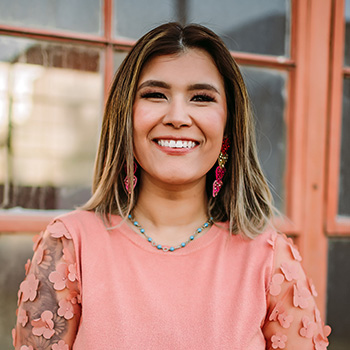
In this episode, Kayla sits down with Janice Dowd, an author, social worker, addiction specialist, mother, and recovering alcoholic, for an open conversation about sobriety, motherhood, family relationships, and what recovery actually asks of both the person struggling with addiction and the people who love them. Janice shares her own experience with alcohol addiction and how her understanding of balance changed as she moved through recovery.
Janice talks about the gradual progression of her drinking, including how alcohol became an easy way to cope with stress and exhaustion within “mommy wine” culture. She explains that problematic drinking doesn’t always involve a DUI, losing a job, or another obvious crisis. Sometimes the warning signs are quieter: increased irritability, relationship problems, regret about things you said or did, or realizing alcohol is interfering with the life you want to live.
Kayla and Janice also discuss why early recovery can be incredibly demanding. Janice explains why recovery may temporarily need to become a person’s highest priority and how difficult that can feel for parents. They explore rebuilding coping skills, navigating triggers, attending recovery meetings, asking for help, and giving yourself permission to prioritize sobriety without assuming it will always require the same level of intensity.
A large part of the conversation focuses on something that can easily get overlooked: the family’s recovery. Janice shares how her addiction affected her children, why their relationships didn’t immediately improve when she became sober, and the mistakes she made by assuming her healing automatically meant they were healing too.
Together, Kayla and Janice discuss repairing relationships after addiction, respecting family members’ boundaries, communicating openly, including loved ones in the recovery process, and having difficult conversations even when you’re afraid of what might surface. Ultimately, this episode offers hope that damaged relationships can heal, while acknowledging that rebuilding trust takes time, accountability, communication, and continued work.
Helpful Links:
https://www.janicejohnsondowd.com/
About the Podcast Host
Thank you so much for joining me this week on today’s episode.
I love hearing about your insights and aha! moments from the show.
Kayla Nettleton is a TX-based licensed therapist, business owner, and mom of 3.
In her private practice, Kayla helps women break free from cycles of anxiety, perfectionism, and people-pleasing. Her holistic approach guides clients toward authentic, fulfilling lives by reconnecting with their intuition, setting boundaries, and building confidence.
Kayla also works with couples, especially parents balancing marriage and family. She offers both traditional couples therapy and focused intensives (6 to 18 hours) to help partners address key issues like communication, trust, and intimacy.
Through empathy and effective therapeutic tools, Kayla helps couples reconnect, thrive, and create healthier, more supportive relationships. Her practice transforms self-doubt and disconnection into growth, healing, and lasting change.
Find Kayla on
TikTok: therapy.with.kayla
YouTube: The Modern Mom’s Roadmap to Balance Podcast
Email: kayla@kaylanettleton.com
Free Consultation: Schedule a Free 20 minute therapy consultation here.
Want to hear more?
Catch up on past conversations, guest interviews, and more from the podcast.
► Click to Read the Full Episode 8 Transcript
Janice: Hey everyone.
Kayla: Thanks for listening. Today, my guest is Janice Daut. She is an author, speaker, mom, social worker and recovering alcoholic who has 20 years of experience specializing in addiction and family therapy. Welcome, janice. Thank you so much for taking the time to chat with me and join us on the podcast. So, as we get started, the first question I always ask everyone is what is your definition of balance?
Janice: It’s a great question and I think for me balance is a really important aspect of my personal recovery, my sobriety recovery. But to me there’s four important aspects of balance and the first one is my physical health, which would include getting enough sleep, rest, exercise, nutrition and sleep is a key figure for me because if I don’t get enough sleep, rest, I tend to be more clumsy, irritable, short tempered, so I really prioritize that. Obviously, there’s times when you can’t.
The second, absolutely the second, pillar of that is my mental and emotional health, and that would include my 12 step work, my sobriety program. Even though I’m many years sober and lots of years of experience in social work, I still go to group therapy. I still love and I’m in a group therapy that meets twice a month. It’s a group of women and that just kind of keeps you centered and balanced as well.
But also mental and emotional, I would say, for me is service work, which is kind of a part of the 12 step program, because I find that whenever I give of myself to other people, it always lifts my spirits. So, and the final component of this area is also learning and education. I’ve always loved reading, I love history and I’m a little worried about brain health. They say that the more you learn a new habit, the better it is for your brain health.
The third aspect of balance for me is social. So you got physical, mental and then social. And social is meeting with my girlfriends, recreational, it’s where my travel fits in and it’s really the area where family life fits in to a degree, and I’ll come back to that in a minute.
And the last area is, of course, spiritual. I am a Christian, I practice a faith and it just centers me. You know, and I think for me in recovery, the best thing about having that core aspect is that I also can rely on that when I have difficulty letting go. I mean, you hear that a lot at 12 steps meetings like go let God, and it really does provide me comfort that sometimes these things are beyond my power, beyond my control.
So there’s those four aspects. I’ve been preaching that. Here’s the interesting part to me. I’ve been preaching that since I started working with recovering alcoholics years ago. Okay, but I didn’t really start really applying it to myself until I started to struggle. I think we’re always better teachers than we are students.
Kayla: Oh yeah, absolutely it’s. Sometimes I’m like oh man, I tell my clients this and then here I am, over here not following what I tell my own clients. That would be helpful.
Janice: It’s crazy and when we first talked, or I first thought, about what to talk about and balance, I was thinking well, most people think of balance, of balancing work and family, and I have to say too, when I got into recovery and in motherhood, I had to make a concrete decision that work was gonna take a second level.
I don’t know if you experienced this, but growing at, my identity was attached to what I accomplished from an alcoholic family. So as a young kid I was daughter swimmer and then I was a social worker. That was my identity and once I became a mother it was really hard to balance profession and parenting. So my job fits into those four categories. I love my job and it’s social. I get to meet with my friends. It’s also service work, so it fits into those areas.
Kayla: Yeah, and when you had asked, you had said I don’t know if you’d experienced this in terms of putting work.
Second, that was definitely something I felt like I had experienced, being someone who is more of like I could consider myself an overachiever and a recovering perfectionist. I was always trying to meet these goals, like, okay, here I am, it’s college, then grad school, then what comes after grad school, trying to get, like these, really great jobs.
But then I became pregnant in grad school and after that, after having my baby, I couldn’t meet those goals that I had originally set. Because of this, I had to think of this baby now and there was a piece of me that became depressed because I didn’t know my worth was so placed on my achievements and the next goal and hitting that next goal that I didn’t know what else to do after I hit those goals.
And now I was in a place where things kind of stabilized not to say that I didn’t have other goals that I wanted to meet, but I was starting to recognize that I couldn’t base my worth on these goals, because eventually I wanna be content. I don’t wanna always have to be reaching those goals.
Janice: Absolutely, and I experienced I don’t know if you experienced this, because I’m sure I’m quite a bit older than you my mom and the family she was raised in didn’t value women as much as men, so she was not encouraged to get an education past high school and she really wanted me to Like she projected that onto me and there was a point in parenting, I think after I had my second child, where I was feeling overwhelmed.
I wanted to be a stay-at-home mom and my mom was totally against it. So I felt pressure like she would actually said to me I don’t understand, you have this graduate degree and you’re not gonna use it, and it was tough to explain to her. I’d be like it’s not forever. And then, being a people pleaser, I really struggled with that. I mean, it messed with my head a little bit and so pretty much as quick as I could go back to work, I did, and it took time to find to choose to not have my value based on what I accomplished as a social worker.
Kayla: Yeah, yeah, and I, even though there is probably a big age difference in between us, I don’t think it matters, because I also experienced that in terms of not that the older generations didn’t value women I mean, it’s possible, right? My parents and their parents? They didn’t go to college. So for me, their dream was, like you need to go to college because this is what you do.
I didn’t even think of other options besides college, because that was so ingrained, like you’re gonna graduate high school, you’re gonna do amazing and then you’re gonna go to college. So I didn’t even think of what else was out there besides that which can get in the way of really figuring out who you are and what you want, because these were always your parents.
Janice: That’s a tough choice and I was curious too. When I was preparing for this, I was meeting with one of my friends and I’m like I wanna know how Kayla does it, because she’s a social worker and she’s running a podcast. Like I have two part-time jobs that I balance and all of my children are adults, so they’re less needy. I’m curious about how you balance multiple jobs and parent out, cause you have three children, right?
Kayla: I do. I have three younger children and eight year olds and almost three year old and an almost two year old. Yeah, balance for me right now is using the support system that I have and not being afraid to one ask and accept the help that’s offered to me.
I am lucky enough that I have a supportive partner. I’m also lucky enough to live in the same town as my mom. My grandparents help. My sister also lives here. She’s a baby younger. I have my in-laws that live 20 miles down the road. I ask for help and I use it when it’s offered. That doesn’t mean it’s not hard. I really don’t want to ask for help. I would rather be able to figure it out on my own. But that’s just those bad patterns and habits that I’ve been taught.
Janice: Well, the overachiever or the perfectionist that you?
Kayla: Yes, and part of that was my parents really tried hard to teach me to be independent, but that backfired a little bit for me because I became so independent that I didn’t want to rely on others, even though that’s how that’s important. Having to rely on others is important because we can’t do everything on our own.
So it made it to the point where I didn’t want to ever ask for help. I felt like I had to be able to do this on my own for it to be considered like success. I wouldn’t be succeeding if I had to rely on other people, when that’s just false. That’s a myth.
Janice: That’s true. It took a lot for me to learn to ask for help, but it’s necessary. You can’t do it all on your own. Yeah, yeah.
Kayla: And I go ahead. Oh I was going to say. And also my youngest, my kids have all been to daycare. I’ve never been afraid to use daycare because I myself, personally, was never someone who wanted to stay home and be a stay at home mom, because I was at home with my oldest for like six months and I couldn’t do it. I just, I am not built that way. I am built to go out and do stuff and be around other people. I was not built to be at home and just me and children do not work.
Janice: Yeah, I can relate to that too. I stayed home a little bit with the first two and I was so anxious to go back to work. So then I did went back to work and it was a few years there juggling and figuring it out, because I’m divorced now. But my husband at the time traveled with his job and he was gone three nights a week and I did not have family in the area.
And when we first moved I live in Alabama. When we first moved here, most of my friends and neighbors worked full time. So staying home with two little kids was tough. I was anxious to go back to work until we started having three and four and then it was like let’s find a balance between how many hours a week is reasonable to work. So yeah, with four kids and a husband who travels, but yeah.
Kayla: So, since you are an addiction specialist and recovering also, one thing that I wanted to ask was if someone is struggling with addiction or in the contemplation phase they’re thinking like, is this a problem for me? Is this really something that is hurting me? And especially for moms, because what’s coming to my mind right now is the alcohol creep or maybe even like the wine creep right. So sometimes moms can be so stressed out and they’re like, oh, it’s just one glass of wine, and then you have this one glass of wine, but then things happen and all of a sudden you’re at one bottle of wine. How do they come to terms with recognizing this is starting to become a problem?
Janice: That’s a great question and that is really my path.
I grew up in this alcoholic home, swore I’d never be an alcoholic, became a social worker because naturally when you grow up in dysfunctional family you’re drawn to the helping fields, Worked in drug and alcohol treatment centers. Then, when I had kids, I moved more to medical, social work and social work with social service agencies and I exactly did that. I did not drink very much I mean purely socially until after I was done having children. So like my 30s, I was pregnant, breastfeeding or having children and I started drinking, just like in that mommy wine culture and it creeps up on you. It just creeps up on you.
And thankfully now, because you know that was 15 years ago or so I feel like there’s more acceptance to choose to give up alcohol without calling yourself an alcoholic, that you’re alcohol free. That to me is a huge blessing Because it takes away some of the stigma. I definitively am an alcoholic. I can never drink again. I know I crossed that line and I can’t go back and I would say this 30 years ago and I would say it now If you’re drinking alcohol or using drugs or any addictive behavior, because while as a young adult I was not drinking. I think I was treating fitness. I was in an athletic swimming, almost like an addiction. So I think I’ve always had that addictive personality. But you know, no one’s going to say you spend too much time at the pool when it earns you a college scholarship you know.
But back to your question. It creeps upon you and kind of the guideline I give is is you’re drinking causing problems in your current life. So are you missing work, Are you late to work? Are you more angry and irritable? I mean it doesn’t have to be a DUI. I never got a DUI. I pass out at a couple of social occasions but I didn’t do any of those big glaring things that we go. Oh, Janice, she’s a mess. But I was personally miserable.
And again, I think, with the culture today that you can choose to give up alcohol, you can even choose to practice a 12 step program without calling yourself an alcoholic. So I think self-awareness is the key and finding healthy coping mechanisms to avoid just relying on alcohol. I mean, that’s what I did. I was stressed, I was tired, I drank, it was a quick and it escalated.
Kayla: Yeah, and I’m glad you brought up that. It you know questioning, like, is this getting in the way of your life? Like is it, you know, causing problems in your life and you had mentioned work, but I’ve also seen with clients that it can get in the way of their relationships with their partners or their friends, and so even looking at those area of your life, or is it getting in the way of you doing what you want to be doing with your life?
Janice: Right. Do you regret? Do you wake up the next morning and go I don’t remember exactly what happened or I regret that I Lost my inhibitions and told my next-door neighbor what a problem their dog is? You know, yeah, saying things are doing things that you regret. So, yeah, it’s tough.
When we started talking about doing this, the thing that popped in my mind is most important, that comes up a lot is like okay. So when you first, let’s say you’ve got someone who’s truly an alcoholic, who needs 12 step program or some other recovery program, I would say 90% of the programs are going to tell you and as a mother this is hard to hear they’re going to say you must put your recovery above everything else, above your kids’ soccer games, above dance recitals. That has to come first, and I knew, even though I’ve been a professional in this field. First I knew that was coming, but I still fought it.
And what I want to say to moms and then what I wish I would have said to my kids early on recovery is that it’s not going to last forever. I’m going to put 90% of my efforts into my recovery and over time is going to ease back. So now that I’m your sober. I might go to two meetings a week, I might. I reach out to my sponsor almost every day, but that’s partially because she’s also part of my social network. You know what I mean? Yeah, initially it does. It takes a lot of time and what I would want to say to moms is not going to be this intensive forever. It’s going to be worth it, because you’re not of any use to your family if you are incapacitated.
Kayla: Absolutely, and also that is often how we get ourselves into these situations in the first place, because we aren’t taking the time to put ourselves first in other areas, whether it’s any types of positive coping mechanisms taking, you know, being social, doing all the self-care things because alcohol and any other substances is often the easy way to get that relaxation that we might be looking for.
Janice: Absolutely. It’s a quick fix and it might work in the short term, but it doesn’t in the long term. Yeah, so yeah, and that’s one of the things that you learn in early recovery is building a new base of coping mechanisms.
Kayla: Yeah.
Janice: So this pops into my mind. This is something I don’t always preach to. One of the things family members need to know when it comes to dealing with a recovering parent is that the recovering parent has basically stripped away all of their coping mechanisms and their raw. There might be more touchy, more emotional, less emotional. They might experiment with different coping skills, they might go over the extreme and, you know, completely immerse themselves into a recovery program.
And I just want family members to know again, this is temporary that recovering individual is going to build up some coping mechanisms. Communication is key from both sides at this point, and awareness it’s a really tricky. That’s a whole other balance, you know. Oh yeah, Balancing the family’s needs with the recovery needs of the recovering individuals, yeah.
Kayla: So I haven’t talked about this on the podcast, but it’s very relevant here. My husband struggled with drug use early on in our relationship. To the point I didn’t even know that this was happening. This happened in a period when we were first dating and then I found out about it not too long after I became pregnant. So a little bit before I became pregnant he had already made the decision to become sober from those drugs and it took years and that was a big adjustment of abstaining from certain trigger areas.
We couldn’t really go out because that was more of a trigger for him. We couldn’t go out to the bars or be around certain people. He had to cut friends off that were maybe still involved in that and that’s difficult to. So if you’re someone who has a partner who’s also struggling, there’s also pieces that are going to be difficult for you and it’s important to be on the same page and have conversations of what they need, because recovery is a process.
Janice: Absolutely. You’ve just made a great point there, because the family members have needs too, and a lot of times we’re asking you guys to make these big changes in your lives as well. So did you get any support from your family or friends during that time? Because that’s one of the things that I try to teach politics and addicts and that you’ve got to give your family members time and support to get used to the new. You yeah, and you have to give them as much love and support as you would as an individual walking into an AA meeting for the very first time Because we, from our point of view, I think this is so perfect that you brought that up Like I got so excited about the little things that I did, about the little key tags and chips that I was earning.
I’d hang them on my purse and my kids were like, oh God, mom, someone’s going to see that. That’s so embarrassing. I was not as aware initially at their needs. You know that was one of the mistakes I made in early sobriety. It was not being aware that they’re having to make those changes too, you know.
Kayla: Yeah, and I think even if that is the case, that’s not even to say that later on down the line they might change their view on that. It’s just in the beginning it is.
It feels embarrassing for one because this isn’t. I feel like this still isn’t talked about enough in terms of recovery and what that looks like, because people are always questioning you, questioning you like why, or why did you stay with them, or why did you do this instead of just hearing your story. If that’s what they want, right, it’s always the why questions which then makes people not want to talk about their stories and struggles and what they’ve been through.
Janice: That’s true and I know when I first got sober, they talk about the pink cloud. You just wanted to tell everyone and apologize to everyone for what you did, those little things, and I had to keep my mouth shut. And recently, without disclosing, one of my children recently said to me because I talked about my growth on Instagram and they said to me whatever you do, don’t friend any of my friends, don’t follow any of my friends, because I still don’t want them to know, and I have to honor that. You know, I have to honor those boundaries. I don’t even look at their Instagram site for fear that, oh, you might know this person. You know you have the same last name. But yeah, it’s interesting how, even after many years, my kids are still touchy and still set boundaries with me, how, do you balance that?
Kayla: Because I’m over here with you know my therapy hack came on, but you made that comment because it’s I understand they don’t want you friending, but what if their friend started following you? What are the lines there? Because it’s still your story to tell, even though they have a part in your life.
Janice: Yeah, and that’s a tough one. I still, if I’m gonna make a mistake, I’m gonna fall back on their wishes, on being cons conservative. So I mean, here’s a for instance, early on too, I would run into some it’s amazing who you run into an AA meeting, okay, oh yeah, oh, you’re in recovery, you know. So I would run into sometimes their classmates, sometimes their classmates parents, and there’s a part of me who’s like and this was early on when they were like really Nervous and embarrassed about it, there was a part of me that wanted to say so badly, go talk to Jimmy. Jimmy understands, might understand what you’re going through, but I couldn’t. I couldn’t because of the anonymity of 12-step programs and and because that was my wish, not necessarily my kids wish. My kid didn’t want to know that there were other kids out there like him. That was me projecting my stuff onto them.
So when it comes to those issues, I still honor their feelings and, ideally, if one of their friends were to reach out to me or like one of their friends that I saw at a meeting where to come and talk to me, I would Still keep that relationship like my relationship with anyone else at an AA meeting. It would be separate. You know, one of the things that I do this is a really practical good guy because you know Church events like that you run into people Like your AA friends outside the vents. And one of the things that I do when my kids go oh, how do you know, did at the job, especially for a public. I’ll be like I were both friends with bill W and that shuts it down. It’s like, oh, okay, you know, yeah, it’s just a few little keywords. That Says okay, I get it.
Kayla: That is helpful you know, People are so nervous to go to these meetings, despite the fact that they are so helpful, because they’re afraid to run into people.
Janice: Mm-hmm.
Kayla: They’re just afraid to run into people who may know them and then who may see like oh, they’re also Right in recovery.
Janice: Right. I mean and I felt that too at first is like oh god, who’s gonna see me there? But you know what? They’re there for the same reason that I’m there for yeah. So once you get to that, once you can see that from the other side, then it kind of removes that fear. You realize You’re gonna be amongst People who will love you and understand you. I mean, occasionally well, actually a lot of times there’s people there who are court ordered to be there and they’re there just to get their little card signed. That happens. I’ve never had anyone out me like that. I’ve never had a bad experience with that and I make a lot of meetings and, of course, of my sporadies.
Kayla: Yeah that’s good. So one of the things that you also had Mentioned in the beginning was your relationship with your children was rocky. How did you, you know, reconcile those relationships with your children?
Janice: Right. The short version of my story is that I was in huge denial about how aware my kids were about my drinking, because most of my drinking was done at home, where they are, and but I was still in denial. I went to treatment program. It was 200 miles away from home. I went thinking I was gonna be in a four-week program. I Stayed 12 weeks because when I got there a lot of past trauma, ptsd, grief issues got opened up and they kept saying you should stay longer and I surrendered to the process and then at the End of that. So my while I was there I was working on myself.
My family had limited participation in the family program and I’d like to say this family programs I know I can’t change this, but they haven’t evolved much in the last 30 years. Treatment has, but family programs haven’t, from my experience. So I was evolving much quicker. Also very raw, my family at home had, if anything, increased stress and and you know, without, even though I wasn’t a hundred percent functional, I was still making meals for my family, washing their clothes, things like that. So they had increased stress and they had very limited amount of counseling, maybe an hour or two a week. They didn’t get involved in Alenon, but I don’t think that’s a big factor, so I took them for granted.
I made lots of assumptions and expectations, that is, I was getting better, they were getting better, and the truth is I was Accelerating past them and they were still at that angry stage. I Also was very raw and exposed and so at the end of 12 weeks, instead of going home, I went to a halfway house and During that time I made lots of little mistakes like this.
We could get really analytical here. But in a nutshell, you know, when you were To remove all those coping mechanisms, what do you resort back to? What you knew as a child, right? What I knew as a child of my family was avoidance, sweeping things under the rugs, denial, pretending like it didn’t happen, and that’s kind of what I did with my kids. I avoided getting into anything deep with them. I was very superficial. I never asked them like tell me what’s going on with you. Lots of little mistakes Is and that’s a big part of what my book is about is understanding the myths and mistakes that you made.
And it took I don’t think I was until I was like six months sober, three months in that halfway house that I realized my relationships were worse, that I really started to take the time, that they didn’t want me to come home. They didn’t care if I came home and I, at that point I started Working on it.
Kayla: It’s hard to explain, so from what I what I was hearing and correct me if I’m wrong. That part of that was because you didn’t realize how much your kids really knew about your struggle and how, and you didn’t realize how much it was actually impacting them.
Janice: Correct Absolutely. And then I was afraid my fears of rejection. I mean, it was almost better to be like a little bit, it’ll be fine, it’ll be fine, just wait till I get home, you know. And my fear of rejection. I didn’t Push the issue, you know, I just avoided and neglected it and, yeah, it was not pretty. I mean, we got there eventually and One of the questions I know that you normally ask is like what point did you realize you had to make a change?
So that was my point. Like it’s six months sober when I felt like I was doing better but my family relationship still sucked. I was like what am I doing wrong? So that’s when I really Reached out to my peers, to the other adults in the program, asking them and asking for hope. You know, that was one of the things too Is it gonna get better? My kids ever gonna want to talk to me again?
And the other thing that I did is I have close friendships with the people I went through treatment with, and one of my closest friends had two boys about the same age as my youngest two. So I literally would go and talk with them and they were very accepting and loving of their mother and they’re very open and willing to talk about it. So I’d be like, okay, tell me what it feels like. You know, I finally started putting myself in their shoes and then I finally started putting the social work hat back on, looking at what Family therapy techniques work and don’t work with addiction. So it gradually improved. But in terms of giving hope because that’s a big part of my mission with the book and in the workshops and conferences I do is that it does get better.
For me, it was probably a year and a half before sober before I saw Any real improvement in any of my relationships. The last child it took like four years. So, but it does happen. And now today my relationships are amazing and we still have issues come up. Sometimes they still walk on eggshells around me, but I’m like just Put it out there, let’s talk, let’s get this out and it’s. It’s great I have better relationships with my kids than I ever had with my parents.
Kayla: I want to give hope to people, yeah, and it’s very relevant because I think, when people are in these positions or they’ve Recognized that they’ve hurt their children or the people in their family, you, they become scared that they cannot repair that situation. And then it becomes a cycle where like, oh well, I made the mistake. I mean, I can’t fix it, might as well, just keep living life when in reality you can repair. It’s not going to be easy, it’s not going to be quick, but you can always repair those relationships If you’re willing to do that work get there Absolutely.
Janice: Oh, and here’s the other key thing Totally missed this point. So one of the things I teach is to include your family, even in small ways, in those very early steps. Include them in making decisions. I never included them in the decision to stay 12 weeks of treatment or to go to a halfway house. I just was like this is what’s happening, and just those little things letting them know that they could have a say is huge.
Kayla: In what ways, other than what you just described, could people include their family in their recovery?
Janice: There’s a million different ways. Probably the first thing is not to be afraid. Offer them the opportunity to attend meetings with you or your recovery programs with you. Most of them have open meetings so that they can come and listen to them. Another really simple thing is explain the dang recovery jargon to them.
I think when I was on the other side counseling family members, the number one thing I would hear from family members was I think my husband has joined a cult because he’s talking like from another world. He’s talking about service and work, work, work all the slogans and they’re spending as much time almost as much time in recovery activities as they spent away from home drinking or using or whatever. So I think it’s important to invite the family along to those events so there’s not that error of like. I don’t know what they’re doing. Are they talking about me? Are they complaining about their wives? Answering those questions early on.
I have a whole list of. You know, good communication skills, good listening skills, key. I think it’s really important, as those of us on the recovery side, that we say I appreciate you, I appreciate that you’re letting me do this. I understand that I’ve put you through a tough time.
Now the other thing too many of us have like brain fog early in recovery. This is a common complaint from family members too. Like I can say the same thing six times and they still ask me like what temperature do I turn the oven on for the pizza? Yeah, part of that is because we’re not good listeners, part of it is because we may have brain fog. So to let the family never know I’m sorry I had to ask you again, but I don’t recall what you said or it’s still fuzzy to me. So to let the family members know that you know, it’s not that I’m just not paying attention to what you’re saying. It’s that, it’s not. I’m not absorbing it yet.
Kayla: Yeah, you had mentioned that the inclusion of the family portion in recovery programs hasn’t really evolved. Have you found skills or techniques or helpful things other than including your family in the process? That is beneficial.
Janice: From the alcoholist point of view, or the families, for both. Okay, if I could wave a magic wand over treatment centers, I would make family programs mandatory. I would include the patient and with the family program which is what we did where I worked 30 years ago, which offered an opportunity to confront in a very structured way and resolve some first intermediate issues. I also would love and maybe this happened in my brain was too foggy, but I don’t ever recall any family members coming and educating us on what they’ve been through Kind of like a tough love from our point of view. I think that would be amazing.
One of the things that our treatment program did which was great was impact letters, where the family members are invited to send you a letter about how your addiction impacted them. You have to read it in front of your small group. For me it was pivotal experience and understanding my family’s point of view. I only got two letters between my spouse and children, but they were pivotal and they were great for the other members of the group too. I mean, we all learned from it.
The child who sent me the letter I would say that was the relationship that started to heal. The first because I think he felt heard. I feel he had the opportunity. I tried calling him this week to ask him about that a little bit more. Before I brought that up. Sorry, son, if you hear this I didn’t, but I think he knows he still has his copy. We have those copies of those letters. I think it was very valuable. Those are some things that I think would change.
Kayla: In respect of your time. We only have five minutes left, but this had brought in another question for me. What would you tell someone who is a family member or loved one of someone in recovery? Their thought is I’m scared to bring this up because I’m scared it’s going to trigger them to relapse.
Janice: Mm-hmm said their family members in recovery already. Yes, I would say to bring it up, you know, holding in is gonna hurt more. If they’re in recovery and actively trying to stay sober, it can be a lesson. I mean, okay, we’ll share this about my daughter. Sorry, katie, I had a moment where I was like four years sober Maybe.
We were traveling, we were in a foreign country and I said something to her that triggered her and she started crying and what it was? She said I never really felt loved. I said something like well, of course you knew I always Unconditionally loved you, and she started crying and say no, I didn’t know that. It was a learning experience for both of us because I Got to help her heal. I felt her pain, which is really important.
So if you have to say something to someone who’s in recovery and you’re afraid of triggering them, maybe they need to heal. Hear that pain, you know, maybe they need to know, maybe it’ll help push them. And that experience Absolutely helped me and made me more aware for her younger siblings to know that these things are still gonna come up.
You know, I thought we were good, but no life happens and triggers happen, and it’s happened again with my other children where things happen and I went chock-a-mock you’re triggering me. You used to do this behavior when you were drinking and it was a behavior I totally remember. In my opinion oh God, I hate to say this in my opinion, from outside view Someone might go I don’t get it, I don’t know. It’s not that painful. It was that painful to that child.
So again was an opportunity for me to help heal that with him and to learn from it. I mean it’s yeah, keeping secrets, if I hold something in, it’s only gonna hurt me. So I would say I mean, if you can do it in a structured, safe place, like in therapy or something, absolutely go for it. I have to trust your judgment to a certain degree.
Kayla: I’m glad you you answered it because in my practice I do work with a lot of Codependence or people with codependent tendencies, and this is something that they struggle with. So I think Hearing this from someone in recovery is important, because if you’re struggling with codependent tendencies, you’re gonna be telling yourself, oh, but they might relapse. But they might relapse if I tell them this, when it’s more helpful to tell them those things and it’s to keep it from them.
Janice: Yeah, you need to know the consequences of your behavior.
Kayla: Yeah, thank you so much, Janice, for coming on and speaking. I feel like we barely touched their surface there is.
Janice: There’s so much, and there’s so much to talk about how you know your childhood issues impact, how you balance your life. Now, just that alone.
Kayla: So and if you’re listening and Something came up for you like a question, feel free to contact me or send me a DM on Instagram with your questions so that the next time we do a podcast episode we can address those. Yeah, that’d be great if people wanted to get in contact with you, janice. What is the best way of doing that?
Janice: Okay, so my website is www. Janicejohnsondowdcom, which would have information about the book when it comes out and about Conferences and workshops that I’m participating in, and the easiest ways to contact me. On Instagram, my handle is parenting underscore the word I in in Recovery.
Kayla: Well, parenting underscore in underscore recovery will link those up in the show notes. So if you’re driving, don’t feel like you have to write it down. They will be in the show notes. That’s great.
Janice: Well, I’ve enjoyed this. I really admire your podcast. I wish there’d been something like this for when I my kids were a little bit. I think you’re doing a great job.
Kayla: Thank you so much, janice.
 Apple Podcast